When the Diagnosis Arrives Before You're Ready to Leave: Navigating Early-Stage Dementia Identity

Photo: Anant Dhillon, CC BY-SA 4.0, via Wikimedia Commons
There is a particular kind of disorientation that arrives not with confusion, but with clarity. For the thousands of Americans diagnosed with early-stage dementia each year, the moment a physician delivers the news is often not a moment of cognitive fog — it is one of devastating sharpness. The mind that is being told it will one day fail is, in that instant, functioning well enough to understand precisely what that means.
This is the paradox at the heart of early dementia diagnosis: the very awareness that makes the news so painful is also the awareness that will, in time, diminish.
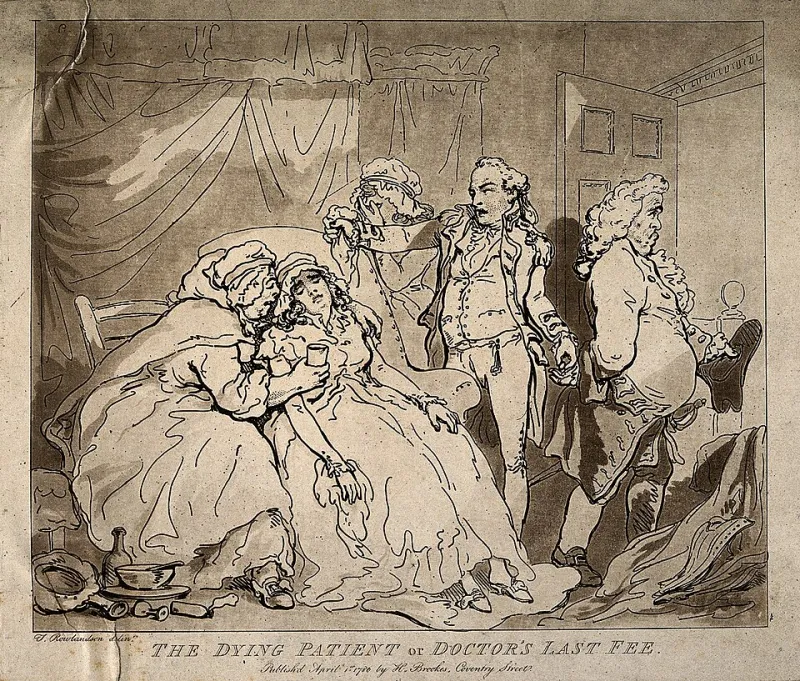
At Hotel Dementia, we think often about the metaphor of the unexpected checkout — the moment a guest is handed their bill before they had any intention of leaving. Early diagnosis functions much the same way. Life was proceeding on its own terms, and suddenly an external force has accelerated the timeline, reordered the itinerary, and handed the individual a set of instructions for a departure they had not yet planned.
The Psychological Shock of Knowing
Research published in journals including The Gerontologist and Dementia: The International Journal of Social Research and Practice has consistently documented what clinicians call "diagnostic shock" — a period of acute psychological distress that follows a dementia diagnosis, particularly when the individual retains significant cognitive function. Unlike diagnoses that arrive after a prolonged period of visible decline, early-stage diagnoses frequently catch patients and families entirely off guard.
Dr. Lisa Genova, a neuroscientist and author widely cited in dementia advocacy circles, has described this phenomenon as a form of anticipatory grief — mourning not what has been lost, but what is expected to be lost. The individual grieves future memories, future relationships, future versions of themselves. This is not irrational. It is, in many respects, an entirely appropriate response to genuinely difficult news.
What complicates matters further is the social dimension. Once a diagnosis exists on paper, it tends to precede the person into every room. Family members begin to watch more carefully. Physicians speak differently. Well-meaning friends grow cautious. The individual, who may still be driving, working, cooking dinner, and managing their finances without difficulty, finds themselves suddenly repositioned — from capable adult to patient.
This shift in identity is among the most underexplored aspects of early dementia care in the United States, where the healthcare system is often better equipped to manage physical symptoms than existential ones.
The Danger of Premature Resignation
One of the most significant risks in the early diagnostic period is what psychologists describe as a self-fulfilling contraction — the tendency to voluntarily withdraw from activities, relationships, and responsibilities in anticipation of decline, rather than in response to it. This is not weakness. It is a deeply human response to perceived threat.
However, emerging neurological research suggests that continued engagement — social, intellectual, and physical — may meaningfully influence the rate of cognitive decline. A 2022 study from the Rush Alzheimer's Disease Center found that individuals with early-stage Alzheimer's who maintained robust social networks and purposeful activity demonstrated slower functional decline than those who reduced engagement following diagnosis.
The implication is significant: resignation itself may accelerate the very outcome it anticipates.
For clinicians and caregivers supporting someone in the early stages, one of the most important interventions is not medical. It is conversational. It involves actively resisting the cultural script that says diagnosis equals incapacity, and instead helping the individual construct a new narrative — one that acknowledges the reality of the condition while refusing to let it become the whole story.
Frameworks for Reclaiming Agency
Accepting a dementia diagnosis does not require accepting helplessness. In fact, the early period following diagnosis — when cognitive clarity is still present — represents a genuinely valuable window for planning, decision-making, and self-advocacy that, if left unused, may not come again.
Several frameworks have demonstrated utility in clinical and community settings:
Advance care planning with full participation. The Alzheimer's Association strongly recommends that individuals engage in legal and medical planning as early as possible following diagnosis. This includes establishing durable power of attorney, completing advance directives, and documenting personal preferences for future care. When the individual themselves drives this process, it becomes an act of self-determination rather than surrender.
Narrative therapy approaches. Some licensed therapists specializing in dementia care use narrative therapy techniques to help newly diagnosed individuals rewrite their self-concept. Rather than accepting the label of "dementia patient" as their primary identity, clients are encouraged to articulate who they are beyond their diagnosis — their values, their history, their ongoing contributions.
Peer connection. Organizations such as the Dementia Action Alliance and local chapters of the Alzheimer's Association facilitate peer support groups specifically for individuals in the early stages of the disease. Connecting with others who are navigating similar experiences — and who are doing so while still cognitively present — can significantly reduce the sense of isolation that follows diagnosis.
Structured future-planning conversations. Some families find value in facilitated conversations that address not only logistics but meaning: What matters most to you? What do you want people to know about you? What would you like your days to look like as things change? These conversations, while emotionally difficult, can create a foundation of shared understanding that proves invaluable later.
The Importance of Timing
The American healthcare system has historically underperformed on early dementia detection, with the average time between symptom onset and formal diagnosis estimated at over two years. While this gap is narrowing — in part due to the growing availability of biomarker testing and increased public awareness — many individuals still receive their diagnosis later than they might have.
This delay carries real costs. Every month of undiagnosed early-stage dementia is a month during which the individual could have been making informed decisions, building support structures, and engaging in the kinds of purposeful activity that research suggests may support cognitive resilience.
Advocating for earlier detection is, therefore, not simply a clinical matter. It is an ethical one.
Checking In, Not Checking Out
At Hotel Dementia, we hold to the belief that a diagnosis — even a difficult one — is not the end of the stay. It is, in many ways, the beginning of a more intentional one. The guest who knows they must eventually check out is also the guest best positioned to make the most of the time that remains: to request the room they actually want, to take the walks they had been putting off, to call the people they have been meaning to call.
Early diagnosis, received with adequate support and met with purposeful engagement, need not feel like an eviction notice. With the right frameworks, the right team, and the right mindset, it can become something closer to an invitation — to live more deliberately, plan more thoughtfully, and connect more fully, while the capacity to do so is still richly present.
For anyone who has recently received a dementia diagnosis, or who loves someone who has, the most important message we can offer is this: the checkout has not yet been called. There is still time to order breakfast.